Local Partner Model

Shivia’s initial model was one of partnerships whereby Shivia UK raised funds and put in place social impact, financial and management controls whilst carefully selected partners with local knowledge and client outreach implemented the operations. Our model stipulates that borrowers repay their loans to our local partners over typically a one year period and if they have performed well and require a second-time loan, our partners relend to them, usually with a 25% increase so that they can expand their business. After an agreed period, the local partners repay Shivia India so that we can reach out to new borrowers through our existing partners or redeploy our funds to new partners in different areas and/or our own operations. Shivia’s model enables donors to give a one-off donation yet contribute to worthy causes each year since the funds are recycled. Any additional funds are simply to scale-up the projects.

We currently have two partners - BASE in West Nepal and SAATH in Gujarat.

Nepal

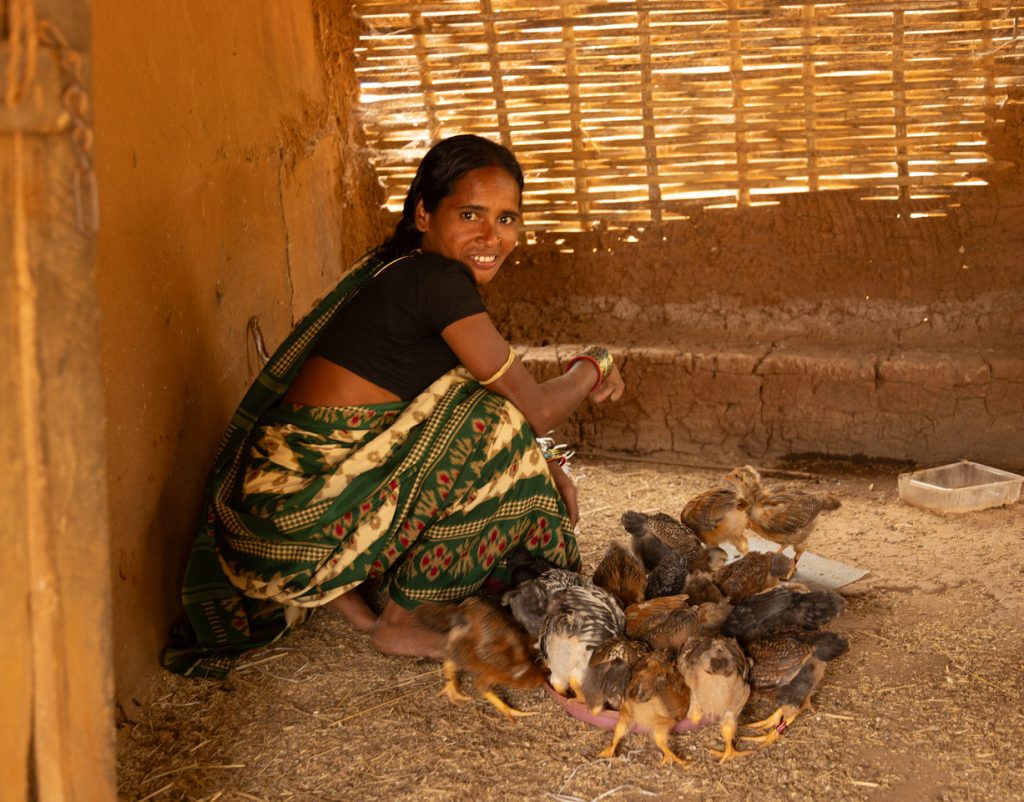
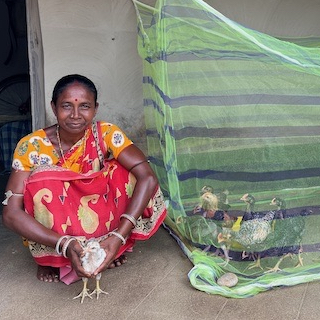
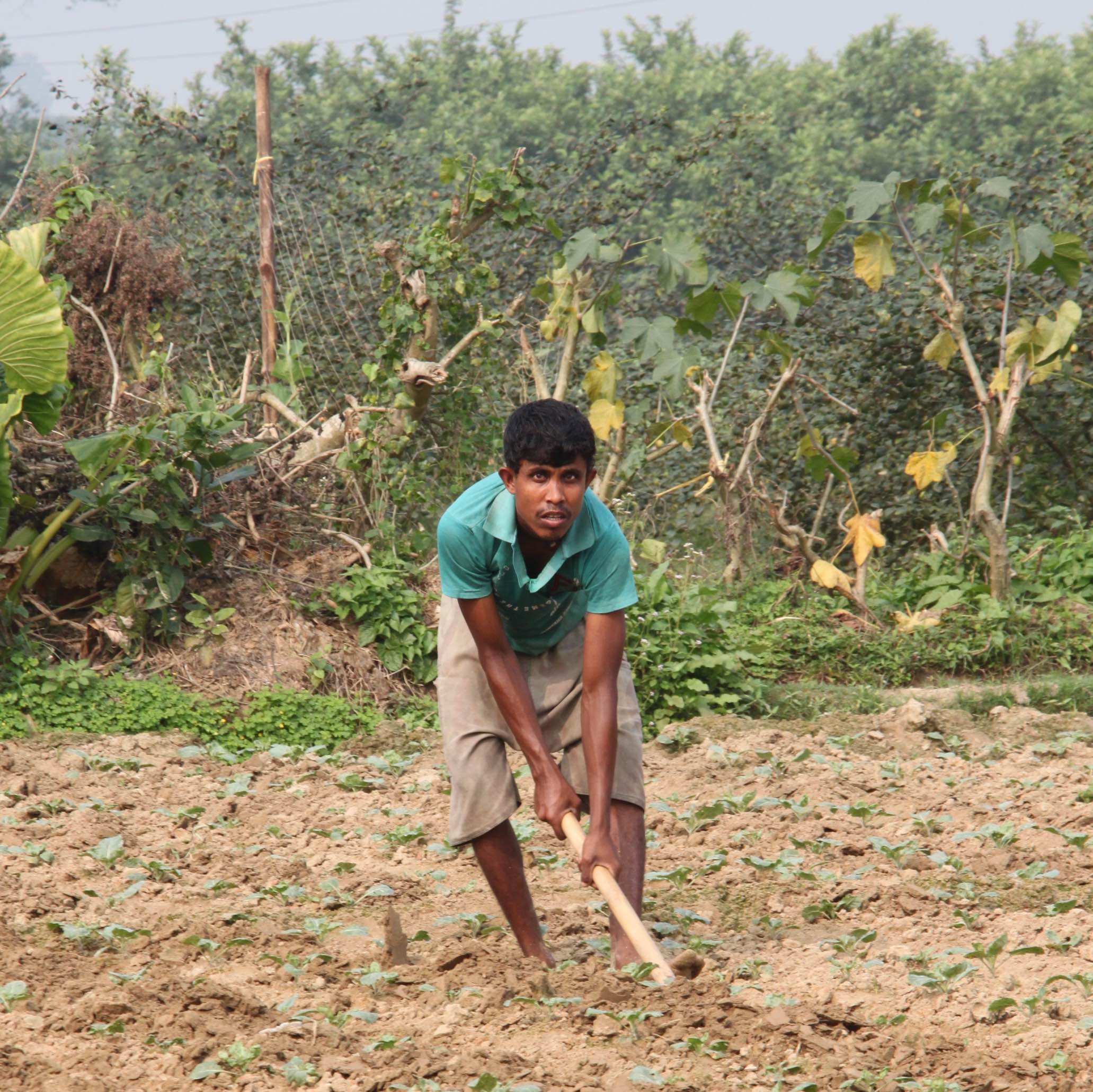
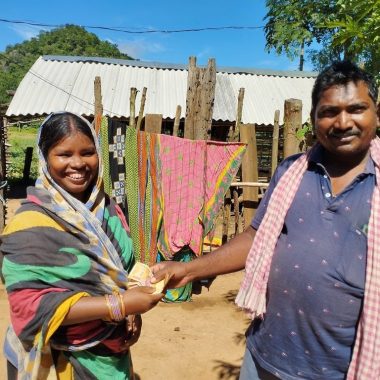
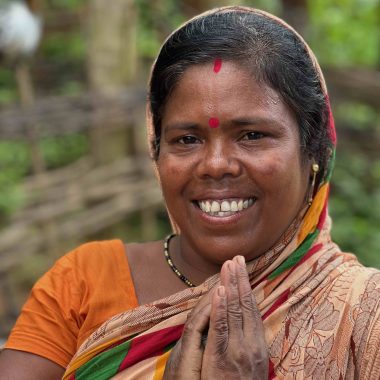
Our operations in rural Nepal started in May 2009 with our partner BASE. There are now 1,051 members of savings groups, 427 loans have been disbursed and the same number of Social Impact Assessments completed. The BASE team has made huge improvements to its reporting, financial, management and social impact controls. Shivia tries to have an intern working with the BASE team at all times to push forward with these controls.

We are discussing with BASE’s management the desirability of becoming even more focused on lending for market-driven enterprises and of introducing more skills-based training.

In 2011, we also introduced a pilot water pump programme consisting of 8 pumps, to see whether easier access to clean water would enhance the livelihoods of those we are helping through more time at home, better health and more productive enterprise. If the pilot it successful, we plan to install more water pumps next year.

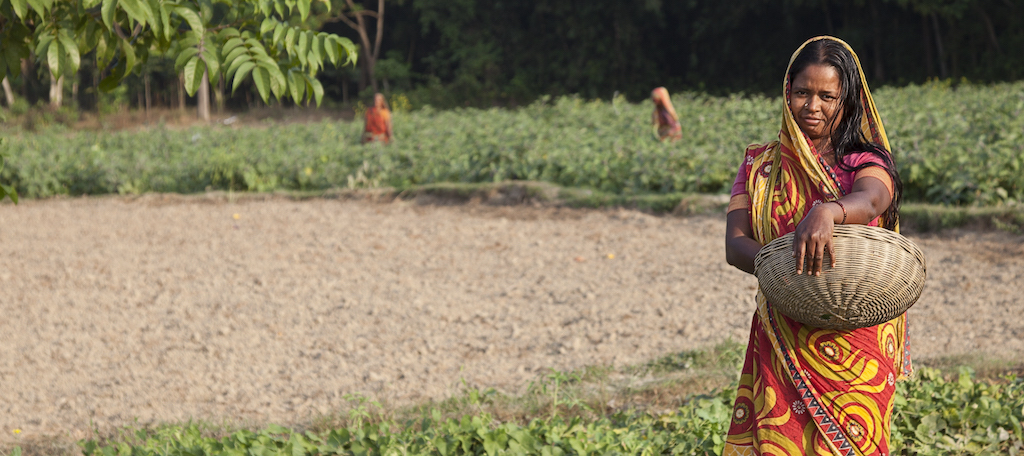
There are many challenges with working with the poorest populations in West Nepal – they are in remote locations, often affected by environmental and/or social and political unrest. Dang, for example, is located in Mid-West Nepal which is the Maoist heartland. 2010 was set to be an important year in the Nepali peace process, but instead it seems to have been a year of stalemate dominated by increased tensions, widespread strikes and protests. In the monsoon months, it is hard to move around due to lack of infrastructure to cross rising waters. This coupled with the borrowers’ rural settings and distance from local markets, means it is difficult for the BASE staff to reach the sites and for borrowers to sell their goods on a consistent basis; the women have to get up at 3 am to take their products to the markets on foot or search for clean water. For Shivia, one of the most important aspects of our work is training, but some group members cannot attend training sessions due to their remote locations and have remained illiterate and unable to keep their own records.

Gujarat

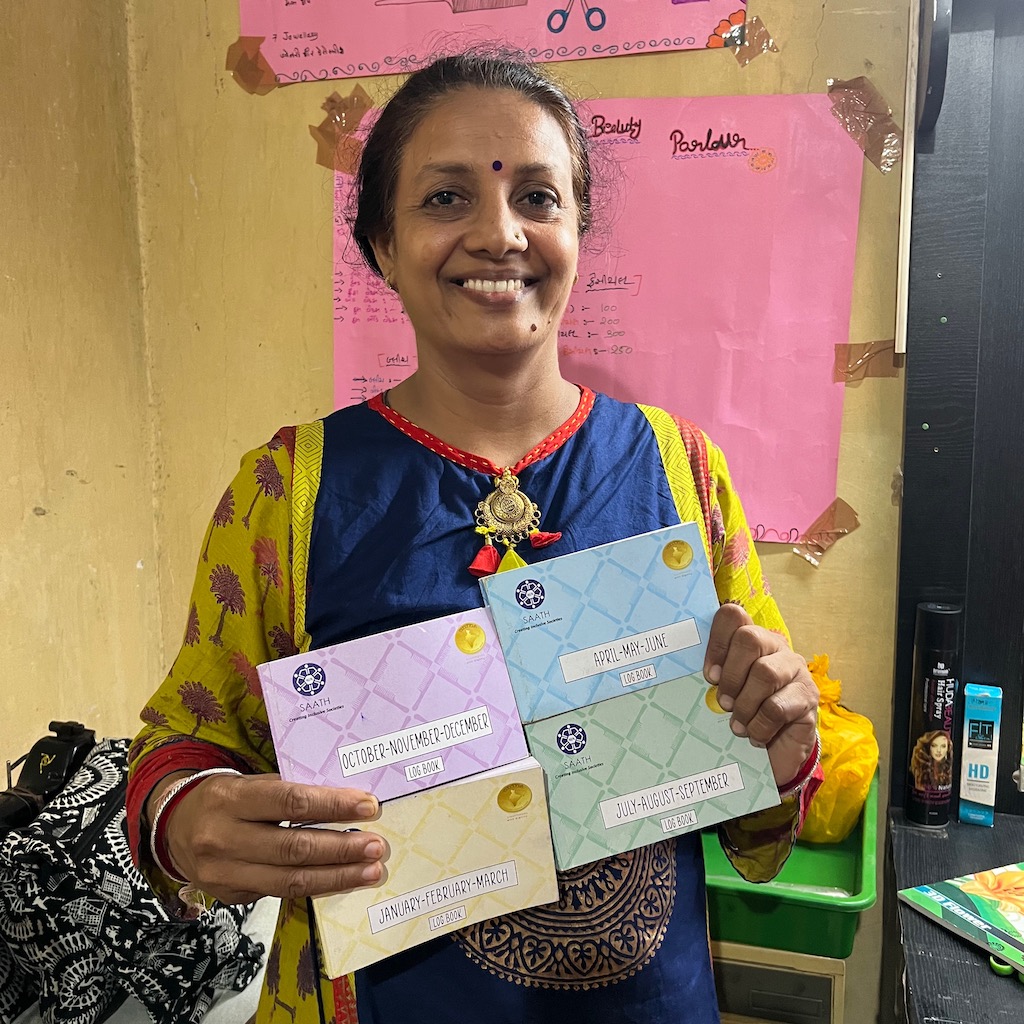
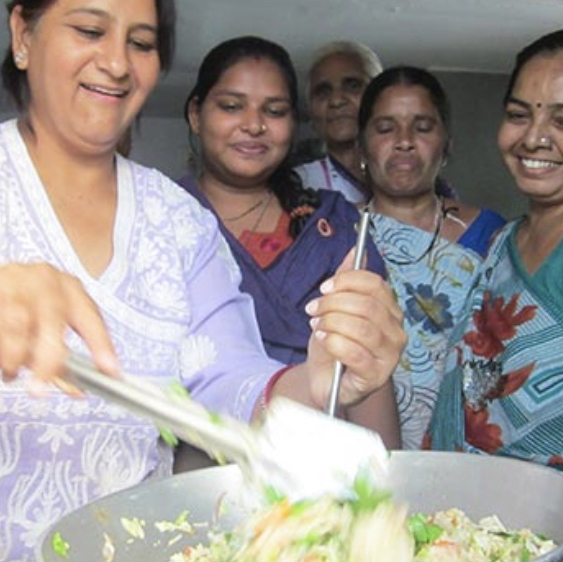
We entered into partnership with SAATH in September 2010 which diversified our portfolio in three ways: working in the State of Gujarat (North-West India), supporting an urban-based microfinance programme and operating a savings-based, rather than credit-led, model of microfinance. We see our partnership with SAATH as a learning opportunity for Shivia and a chance to cross-fertilise ideas between partners as well as import best practice for our own operations - for example SAATH has sophisticated IT systems. Our Shivia India consultant, Joe Rao, visits Ahemedabad on a frequent basis to monitor operations report to Shivia UK on the operations.

Since September 2010, SAATH has disbursed 567 loans and completed an equal number of Social Impact Assessments. Our agreement with SAATH is a three year one, meaning repaid principal is recycled to more borrowers, rather than building up to repay us. We have been struck by the professionalism of SAATH and the close monitoring of its clients, resulting in no defaults.

We are discussing with SAATH’s management how to become even more focused on good training, both initial and ongoing, tailored to individual borrowers and community needs : basic literacy through to business development and skills. We shall also continue to complete our Social Impact Assessments on an annual basis to measure socio-economic progress attributable to our participation.

There are several challenges with working with the poorest populations in the slum areas of Ahmedabad – the slum dwellers are faced with a range of diseases, especially in the monsoon time, and can return “home” to their villages at any time. They do not have the social ties or community collateral we find in rural areas. To overcome this challenge, the SAATH staff have to really know the clients and anticipate their movements.

Back to top